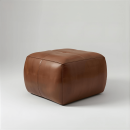

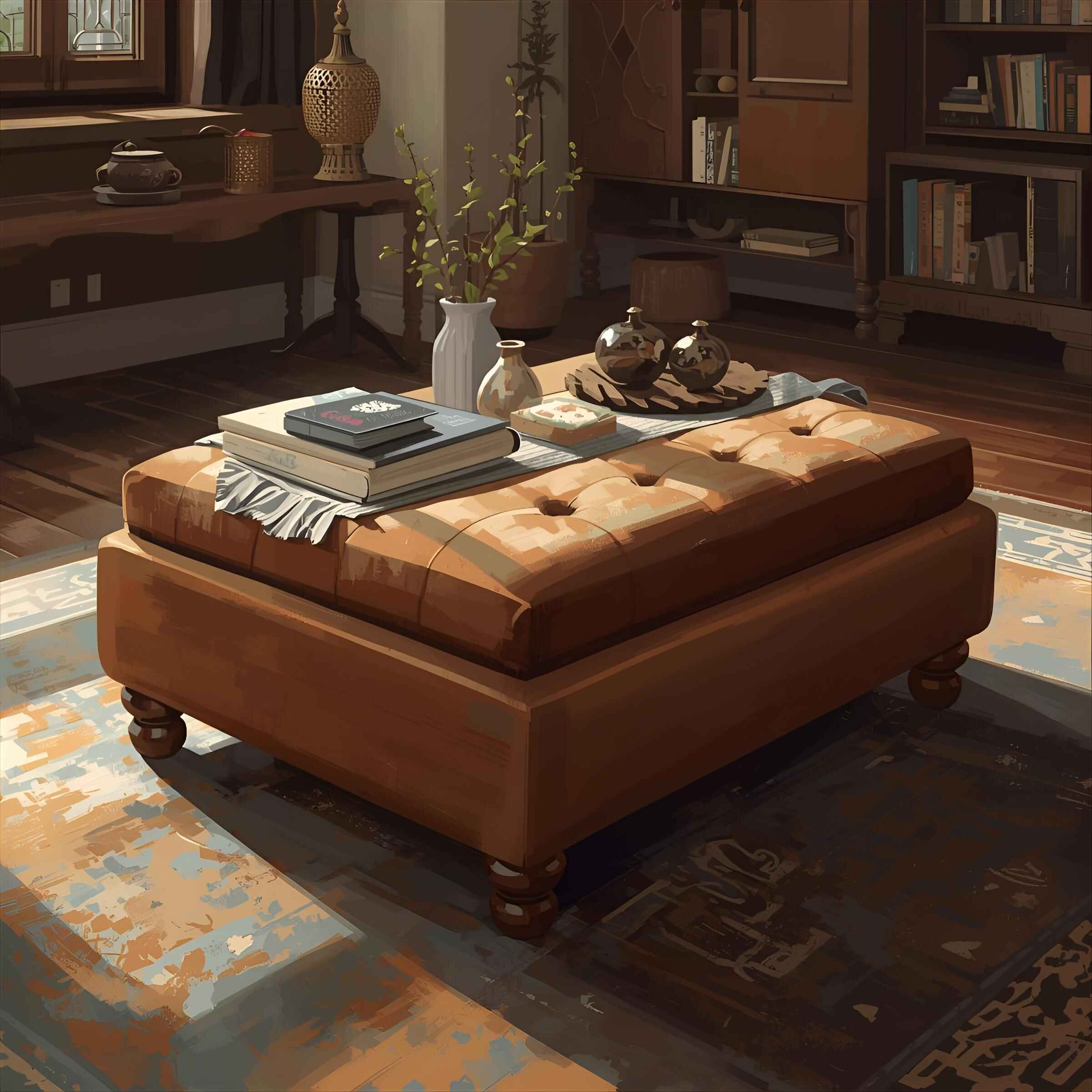
Your Ottoman Coffee Table is more than just a piece of furniture—it’s a centerpiece in your living room. But keeping it clean can be tricky, especially with different materials and daily use.
If you’ve ever struggled with stains, dust, or spills on your ottoman, you’re not alone. This guide will show you simple, effective ways to clean your ottoman coffee table without damaging it. By the end, you’ll know exactly how to refresh your space and keep your furniture looking great for years to come.
Ready to make your ottoman shine like new? Let’s dive in!
Materials Needed
Cleaning an ottoman coffee table is simple with the right materials. Gathering the proper supplies and protective gear makes the process easier and safer. Knowing what you need before starting ensures the best results without damage. Below are the essential items to prepare for cleaning your ottoman coffee table effectively.
Cleaning Supplies
Choosing the right cleaning supplies is key to preserving your ottoman coffee table’s fabric and structure. Different materials require different products, so pick gentle options to avoid damage.
- Mild detergent: Use a gentle soap or fabric cleaner safe for upholstery.
- Warm water: Helps dissolve dirt without harming the fabric.
- Soft cloths or microfiber towels: Ideal for wiping without scratching.
- Vacuum cleaner with upholstery attachment: Removes dust and crumbs efficiently.
- Soft-bristled brush: Loosens dirt in textured fabrics.
- White vinegar (optional): Natural deodorizer and stain remover when diluted.
- Baking soda: Absorbs odors and freshens fabric before cleaning.
Here is a quick overview of cleaning supplies and their purpose:
| Supply | Purpose |
|---|---|
| Mild detergent | Removes dirt without harming fabric |
| Warm water | Helps dissolve grime gently |
| Microfiber towels | Safe for wiping and drying |
| Vacuum with upholstery tool | Eliminates dust and crumbs |
| Soft-bristled brush | Releases dirt from textured surfaces |
| White vinegar | Natural stain remover and deodorizer |
| Baking soda | Neutralizes odors before cleaning |
Protective Gear
Wearing protective gear keeps you safe and prevents accidents during cleaning. Some supplies might irritate your skin or eyes.
Use these basic protective items:
- Rubber gloves: Protect your hands from chemicals and dirt.
- Safety goggles: Shield your eyes from splashes and dust.
- Face mask: Prevents inhaling dust or strong cleaning fumes.
- Old clothes or an apron: Keep your clothes clean from spills.
Safety is important even with mild cleaners. Gloves reduce skin irritation and dryness. Goggles stop accidental splashes from reaching your eyes. Masks help, especially if you use vinegar or other strong-smelling products.
Below is a table summarizing the protective gear and why it matters:
| Protective Item | Reason to Use |
|---|---|
| Rubber gloves | Prevent skin irritation and dryness |
| Safety goggles | Protect eyes from splashes and dust |
| Face mask | Block dust and strong fumes |
| Old clothes or an apron | Keep clothes free from stains |
Preparation Steps
Cleaning an ottoman coffee table starts with careful preparation. These steps help protect the fabric and keep the table looking fresh. Proper preparation also makes the cleaning process easier and more effective. Take time to prepare well before using any cleaning products or tools.
Clear The Surface
Begin by removing everything from the ottoman coffee table. This includes:
- Books
- Magazines
- Decorative items
- Trays or coasters
- Removable cushions or pillows
Clearing the surface prevents damage to these items and allows full access to the fabric or upholstery. It also helps avoid dirt or stains during cleaning.
Check the table edges and underneath for hidden objects. Small items like coins or paper clips can interfere with cleaning tools. Removing all items ensures a smooth cleaning process.
Organize the items you remove. Use a small box or basket to hold them safely. This keeps your cleaning area tidy and prevents losing things.
| Step | Action | Reason |
|---|---|---|
| 1 | Remove all items from the ottoman | Clear workspace and protect belongings |
| 2 | Check edges and underneath | Find hidden objects |
| 3 | Organize removed items | Keep the area tidy and items safe |
Vacuum Loose Debris
After clearing the surface, vacuum the ottoman coffee table carefully. This removes dust, crumbs, pet hair, and other loose debris. Vacuuming prevents dirt from spreading when you clean with liquid solutions.
Use a vacuum cleaner with an upholstery attachment. This tool is gentle on fabric and reaches deep into crevices. If you don’t have an upholstery tool, use a soft brush attachment instead.
Follow these tips for effective vacuuming:
- Work in sections to cover the entire surface.
- Use slow, overlapping strokes for thorough cleaning.
- Pay special attention to seams and corners where debris collects.
- Empty the vacuum bag or canister before starting for strong suction.
Vacuuming also helps identify stains or spots that need extra attention during cleaning. After vacuuming, the ottoman will be free of loose dirt and ready for deeper cleaning steps.
Cleaning Fabric Upholstery
Cleaning fabric upholstery on an ottoman coffee table requires care and the right methods. Fabric can trap dirt, dust, and spills, making your ottoman look old quickly. Knowing how to clean an ottoman coffee table stains on fabric helps keep it fresh and inviting. This section covers simple steps to clean fabric upholstery without damage. Follow these tips to maintain the softness and color of your ottoman fabric.
Spot Cleaning Stains
Spot cleaning is the first step to remove small stains on fabric upholstery. Acting fast stops stains from setting deep into the fabric. Use a clean cloth or paper towel to blot the stain. Avoid rubbing, as it pushes the stain further inside.
- Blot excess liquid immediately with a dry cloth.
- Mix mild soap and water for a cleaning solution.
- Test the solution on a hidden area to check color fastness.
- Apply the solution gently with a soft cloth.
- Blot stain from outside to inside to prevent spreading.
Use the following table as a quick guide for common stains:
| Stain Type | Cleaning Method | Important Tips |
|---|---|---|
| Food or Drink | Blot, mild soap solution, blot dry | Work quickly, avoid harsh scrubbing |
| Ink | Use rubbing alcohol on a cloth, and blot gently | Test on the hidden area first |
| Oil or Grease | Sprinkle baking soda, let sit, vacuum, then spot clean | Do not use water directly on grease |
Spot cleaning helps remove stains without soaking the entire fabric. It saves time and keeps the upholstery looking new longer.
Using Fabric Cleaner
For deeper cleaning, fabric cleaners designed for upholstery work well. Choose a cleaner that fits your ottoman’s fabric type. Read the product label to avoid damage or color fading.
Steps to use fabric cleaner:
- Vacuum the surface to remove dust and dirt.
- Test the cleaner on a small, hidden spot.
- Apply cleaner evenly using a soft brush or cloth.
- Work in small sections to avoid oversaturation.
- Follow the cleaner’s instructions on how long to leave it.
- Wipe off or vacuum dried residue as directed.
Important points to remember:
- Avoid harsh chemicals like bleach that ruin fabric fibers.
- Use gentle strokes to maintain fabric texture.
- Use water-based cleaners for most fabric types.
- Do not soak fabric to prevent damage to internal padding.
Using fabric cleaner regularly keeps your ottoman coffee table looking fresh and smelling clean. It also helps prevent the buildup of dirt and oils that cause wear over time.
Drying Techniques
Proper drying is key after cleaning fabric upholstery on your ottoman coffee table. Moisture left inside the fabric or padding can cause mold and odors. Follow these drying tips to protect your furniture.
- Blot excess moisture with a clean, dry towel immediately after cleaning.
- Allow air drying in a well-ventilated room.
- Use fans to speed up drying, but avoid direct heat like hair dryers.
- Avoid sunlight on delicate fabrics to prevent fading.
- Do not sit or place objects on the ottoman until completely dry.
Here is a simple drying checklist:
| Step | Action | Reason |
|---|---|---|
| 1 | Blot moisture | Remove surface water quickly |
| 2 | Air dry | Prevent mold growth |
| 3 | Use fan | Speed up drying without damage |
| 4 | Avoid direct sunlight | Protect fabric colors |
Following these drying techniques ensures your ottoman coffee table fabric stays clean and lasts longer. It keeps the upholstery fresh and free of unwanted smells or damage.
Cleaning Leather Upholstery
Cleaning the leather upholstery on an ottoman coffee table keeps it looking fresh and lasts longer. Leather is a natural material that needs gentle care to avoid damage. Dust, spills, and dirt can build up on the surface, making it dull and worn. Regular cleaning removes grime and preserves the leather’s softness. Using the right methods helps maintain its rich color and prevents cracks. Simple steps make a big difference in caring for your leather ottoman.
Wiping Down Surface
Start by removing loose dirt and dust with a soft cloth. Use a dry microfiber cloth to wipe the entire leather surface. This prevents the leather from being scratched during cleaning.
Next, prepare a mild cleaning solution:
- Mix one part mild liquid soap (like dish soap) with eight parts warm water.
- Dampen a clean cloth with the solution—do not soak it.
- Wipe the leather gently, working in small sections.
After cleaning, use a second cloth dampened with plain water to remove soap residue. Soap left on leather can cause dryness or damage.
Dry the surface immediately with a soft towel. Avoid letting the leather air dry to prevent stiff spots.
| Step | Action | Tip |
|---|---|---|
| 1 | Dust with a dry microfiber cloth | Use gentle strokes |
| 2 | Clean with a mild soap solution | Wring the cloth well to avoid wetting the leather |
| 3 | Remove soap with a damp cloth | Use clean water only |
| 4 | Dry immediately | Use a soft towel, avoid heat sources |
Repeat this process every few weeks to keep your leather ottoman clean and fresh.
Conditioning Leather
Leather can dry out and crack without proper conditioning. Applying a leather conditioner restores moisture and keeps it soft. Use a conditioner made for your leather type. Test it on a small hidden area first.
Follow these steps to condition the leather:
- Make sure the leather is clean and dry.
- Apply a small amount of conditioner to a soft cloth.
- Rub the conditioner into the leather using circular motions.
- Cover the entire surface evenly.
- Let the conditioner absorb for 10-20 minutes.
- Buff the leather gently with a clean cloth to remove excess product.
Condition leather every 3 to 6 months to maintain its look. Avoid over-conditioning, which can cause sticky residue or discoloration.
Use this simple chart to choose the right conditioner:
| Leather Type | Recommended Conditioner | Notes |
|---|---|---|
| Top-Grain Leather | Oil-based or cream conditioner | Restores natural oils well |
| Full-Grain Leather | Conditioner with beeswax or lanolin | Protects and nourishes deeply |
| Corrected-Grain Leather | Water-based conditioner | Gentle and non-greasy |
Regular conditioning protects your ottoman’s leather from drying, cracking, and fading. It keeps the surface smooth and comfortable to touch.
Cleaning Wooden Or Hard Surfaces
Cleaning an ottoman coffee table with wooden or hard surfaces keeps it looking fresh and extends its life. These surfaces need gentle care to avoid damage while removing dust and dirt. Regular cleaning prevents buildup and keeps the table shiny. Simple steps make the process easy and effective.
Dusting And Wiping
Start by removing loose dust and debris using a soft cloth or microfiber duster. Dusting often stops scratches caused by dirt rubbing on the surface.
Follow these steps for the best results:
- Use a dry microfiber cloth to pick up dust without scratching.
- For stubborn dirt, slightly dampen the cloth with water. Avoid soaking it.
- Wipe in the direction of the wood grain or surface texture for a smooth finish.
- Clean corners and edges carefully to remove trapped dust.
For hard surfaces like glass or metal parts on the ottoman table, use a mild cleaner suitable for those materials. Avoid harsh chemicals that can damage finishes.
Here is a simple cleaning guide:
| Surface Type | Recommended Cleaning Method | What to Avoid |
|---|---|---|
| Wood | Soft dry or slightly damp cloth, mild soap solution | Excess water, abrasive scrubbers, and harsh chemicals |
| Glass | Glass cleaner or vinegar-water solution, soft cloth | Abrasive pads, ammonia-based cleaners on wood parts |
| Metal | Soft cloth with mild soap, polish if needed | Steel wool, harsh chemicals |
Regular dusting keeps your ottoman coffee table looking clean and prevents dirt buildup. Wiping with care maintains the surface’s finish without damage.
Polishing Tips
Polishing wooden or hard surfaces adds shine and protects the table from wear. Use Polish products made for your table’s material.
Follow these tips for safe polishing:
- Choose a polish suitable for wood or the specific hard surface.
- Apply a small amount of polish on a clean, soft cloth.
- Rub gently in circular motions to evenly cover the surface.
- Buff the surface with a dry cloth to remove excess polish and enhance shine.
Over-polishing can cause buildup and dull the finish. Polish only when the surface looks dull or dry, usually every few months. Use natural options like lemon oil or beeswax for wood to keep it nourished without chemicals.
| Polish Type | Best For | How Often to Use |
|---|---|---|
| Wax-based polish | Wood surfaces, vintage finishes | Every 3-6 months |
| Oil-based polish (e.g., lemon oil) | Wood maintains moisture and shine | Every 1-2 months |
| Spray polish | Hard surfaces like metal or glass | As needed |
Polishing improves the look and life of your ottoman coffee table. Proper care brings out its natural beauty and keeps it inviting for years.
Maintaining Ottoman Coffee Tables
Maintaining Ottoman coffee tables keeps them looking fresh and lasting longer. These tables combine comfort and style, so care is important. Regular upkeep prevents stains, fabric damage, and wear. Simple steps make cleaning easier and protect the table’s surface and fabric. This guide covers how to set a cleaning routine and ways to protect your ottoman coffee table every day.
Regular Cleaning Schedule
Creating a regular cleaning schedule helps keep your ottoman coffee table neat and inviting. Clean the table weekly to avoid dirt buildup and stains.
- Vacuum the fabric gently using a soft brush attachment to remove dust and crumbs.
- Spot clean spills immediately with a damp cloth. Blot, don’t rub, to avoid spreading stains.
- Wipe hard surfaces like wooden or metal bases with a soft, dry cloth to remove dust.
Every month, deep-clean the fabric using an upholstery cleaner made for your ottoman’s material. Test the cleaner on a small hidden area first to check for color changes.
| Cleaning Task | Frequency | Tools Needed |
|---|---|---|
| Vacuum fabric surface | Weekly | Vacuum with soft brush attachment |
| Spot clean spills | As needed | Damp cloth, mild detergent |
| Wipe hard surfaces | Weekly | Soft dry cloth |
| Deep clean upholstery | Monthly | Upholstery cleaner, soft cloth |
Keep a cleaning kit handy near your ottoman for quick action. This habit stops stains from setting and keeps your furniture looking new longer.
Preventive Care
Preventive care protects your ottoman coffee table from damage. Small steps avoid big problems and save money on repairs.
- Use coasters and trays to hold drinks and snacks. This stops spills and stains on fabric or wood.
- Keep pets off to avoid scratches and hair buildup on the fabric.
- Rotate cushions if your ottoman has removable parts. This helps wear evenly over time.
- Avoid direct sunlight to prevent fabric fading and material cracking.
Protect fabric with a fabric protector spray suitable for your ottoman’s material. This creates a barrier against spills and dirt.
| Preventive Tip | Benefit | Tools or Products |
|---|---|---|
| Use coasters and trays | Prevents spills and stains | Coasters, serving trays |
| Keep pets off furniture | Avoids scratches and hair | Pet training covers |
| Rotate cushions regularly | Ensures even wear | None |
| Avoid direct sunlight | Prevents fading and damage | Window coverings, blinds |
| Apply fabric protector | Guards against stains | Fabric protector spray |
Follow these tips to keep your ottoman coffee table in great shape. Care today means a beautiful table for years.
Frequently Asked Questions
How Do I Clean Fabric Ottoman Coffee Tables?
Vacuum the fabric regularly to remove dust and debris. Use a mild detergent mixed with water for spot cleaning. Test the solution on a small area first. Blot stains gently without rubbing. Allow it to air dry completely to avoid mold.
Can I Use Vinegar To Clean Ottoman Coffee Tables?
Yes, diluted white vinegar is effective for cleaning ottoman surfaces. Mix equal parts vinegar and water, then apply gently with a soft cloth. Avoid using vinegar on delicate or leather materials, as it may cause damage or discoloration.
How Often Should I Clean My Ottoman Coffee Table?
Clean your ottoman coffee table weekly by dusting and vacuuming. Perform deep cleaning or spot treatment as needed, especially after spills. Regular maintenance keeps the fabric or leather fresh and prolongs its lifespan.
What’s The Best Way To Remove Stains From An Ottoman?
Blot fresh stains immediately with a clean cloth. Use a fabric-safe cleaner or a mild soap solution for tougher stains. Avoid harsh scrubbing to prevent fabric damage. Always test cleaning products on a hidden area first.
Conclusion
Cleaning your ottoman coffee table keeps it looking fresh and neat. Regular care stops dirt and stains from building up. Use gentle cleaners and soft cloths to protect its fabric or leather. Quick spot cleaning saves time and effort later.
A clean ottoman makes your living space more inviting. Try these simple steps often for the best results. Enjoy a tidy, comfortable room with little work. Your ottoman will stay beautiful for years. Small actions make a big difference.