
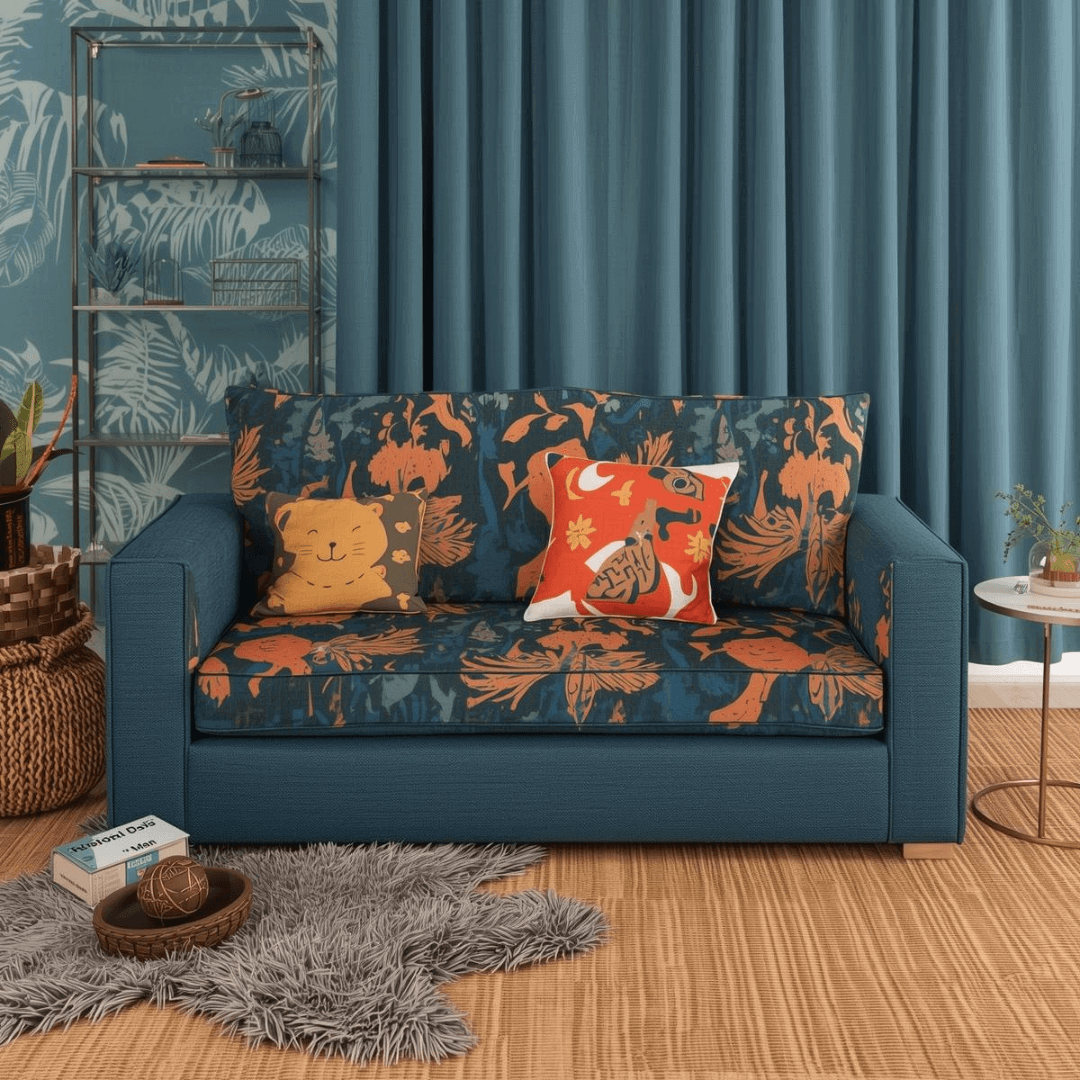
Are you thinking about adding a kids foldout sofa to your home? But wondering if it’s the right fit for your child’s age? Choosing the perfect furniture for your little one.
You want something comfortable, safe, and just the right size. But how do you know when your child is old enough to use a foldout sofa? Keep reading, and you’ll discover the ideal age range, helpful tips, and what to watch out for to make the best choice for your family.
This way, you can create a cozy, fun space your child will love and you’ll feel good about.
Age Range For Foldout Sofas
Choosing the right age range for a kids foldout sofa helps ensure safety and comfort. These sofas are designed to be versatile seating and sleeping solutions for children. Knowing which ages can use them properly prevents accidents and enhances the child’s experience. The age range varies depending on the sofa’s size, material, and design. Parents should consider these factors before making a purchase. This section is suitable for all ages and key points for toddlers and older kids.
Suitable Ages For Use
Kids foldout sofas work best for children typically between 3 and 12 years old. The lower age limit is mainly for safety and developmental reasons. Younger children may struggle with unfolding or folding the sofa. The upper age limit depends on the sofa’s size and weight capacity.
Here is a quick overview:
| Age Group | Recommended Use | Notes |
|---|---|---|
| 3 to 5 years | Supervised use for sitting and occasional napping | Smaller sizes preferred; help with folding/unfolding |
| 6 to 9 years | Regular use for lounging and sleepovers | Medium-sized sofas fit well; independent use |
| 10 to 12 years | Use for relaxing and occasional sleep | Larger sofas needed; check weight limits |
Always check the manufacturer’s age and weight recommendations. Foldout sofas offer a fun and practical space for kids, but they must fit their size and abilities. Proper supervision is needed,d especially for younger children.
Considerations For Toddlers
Toddlers under 3 years usually avoid foldout sofas. Their motor skills and understanding of safety are still developing. They might get stuck or hurt while unfolding the sofa. Toddlers also need soft, stable surfaces for naps and play.
Key considerations include:
- Safety features: Rounded edges, non-toxic materials, and sturdy construction reduce risks.
- Size: Small sofas fit for toddlers, but still need adult help.
- Supervision: Always watch toddlers when they use foldout sofas.
- Alternative options: Floor mats or toddler-friendly cushions can be safer choices.
Parents should teach toddlers how to use the sofa gently. Folding mechanisms can be tricky and pinch little fingers. Soft cushions and breathable fabrics add comfort for naptime. Avoid sofas with heavy or complex parts for this age.
Older Kids And Comfort
Children aged 6 and above can enjoy foldout sofas more independently. Their larger size and strength allow them to fold and unfold the sofa. Comfort becomes a bigger factor as kids use the sofa for longer periods.
Consider these points for older kids:
- Mattress thickness: Thicker mattresses improve sleep quality.
- Durability: Stronger frames support active use and a heavier weight.
- Design: Sofas with backrests and armrests offer better support.
- Size: Larger foldout sofas accommodate growing kids.
Comfort also depends on the fabric and padding used. Breathable, easy-to-clean materials are ideal. Older kids may use the sofa for reading, gaming, or relaxing with friends. Foldout sofas can double as guest beds during sleepovers.
Choosing the right size and style ensures the sofa remains comfortable and useful as your child grows. Always check maximum weight limits to avoid damage and maintain safety.
Safety Features To Look For
Choosing the right kids foldout sofa means paying close attention to safety features. These features protect children from accidents and make the sofa comfortable and reliable. Parents must know to check before buying. Safety is not just about how the sofa looks, how it is made, and how it supports a child’s weight. Also, the design must keep the sofa stable and easy to use. This section explains the most important safety features that affect the age suitability of a foldout sofa for kids.
Materials And Build Quality
The materials and build quality of a kids foldout sofa affect safety and durability. Sofas made from non-toxic, hypoallergenic materials keep children safe from allergies and harmful chemicals. Always choose sofas with certified safe fabrics and fillings. Good build quality means the sofa can withstand regular use without breaking or causing injury.
Important points about materials and build quality:
- Frame: Solid wood or strong metal frames that don’t bend or break easily.
- Fabric: Choose soft, breathable, and easy-to-clean fabrics free from toxic dyes.
- Padding: Use foam or other comfortable material. Avoid materials that flatten quickly.
- Seams and stitching: Check for tight, even stitches to avoid tearing or loose parts.
Here is a comparison of common materials used in kids foldout sofas:
| Material | Safety | Durability | Comfort |
|---|---|---|---|
| Solid Wood Frame | High (non-toxic finish) | Very Durable | Moderate |
| Metal Frame | High (powder-coated) | Very Durable | Moderate |
| Polyester Fabric | Moderate (depends on certification) | Durable | Soft |
| Cotton Fabric | High (natural fiber) | Less Durable | Very Soft |
Weight Limits
Weight limits are critical safety features of foldout sofas for kids. Each sofa has a maximum weight it can safely hold. Exceeding this limit risks damage to the sofa and injury to the child. Weight limits also help decide the appropriate age for using the sofa.
Key facts about weight limits:
- Check the manufacturer’s stated weight limit before buying.
- Weight limits usually range from 100 to 200 pounds for kids foldout sofas.
- Older or heavier children might need sofas with a higher weight capacity.
- Weight limits include the child’s weight plus any items, blankets, or pillows.
Example of typical weight limits by age group:
| Age Group | Approximate Weight Limit | Recommended Sofa Type |
|---|---|---|
| 2-5 years | 100 lbs (45 kg) | Small, lightweight foldout sofas |
| 6-10 years | 150 lbs (68 kg) | Medium-sized sofas with solid frames |
| 11+ years | 200+ lbs (90+ kg) | Larger sofas with metal or reinforced frames |
Choosing a sofa with the right weight limit ensures safety and longevity.
Stability And Design
Stability prevents the sofa from tipping or collapsing. Good design keeps children safe during use. A stable foldout sofa reduces the risks of falls and injuries. Check the sofa’s legs, base, and folding mechanism for strong support.
Important design and stability features include:
- Wide base: A broad base lowers the risk of tipping over.
- Non-slip feet: Rubber or silicone feet keep the sofa in place.
- Secure folding mechanism: Locks or catches prevent accidental folding.
- No sharp edges: Rounded corners and smooth surfaces avoid cuts and bruises.
- Easy to fold and unfold: A simple mechanism lowers the chance of pinching fingers.
Check for certifications or tests proving the sofa’s stability. Some sofas come with anti-tip straps for extra safety. The design should balance style with child-friendly features. Stability and design together make a sofa safe for daily use by children of different ages.
Benefits Of Foldout Sofas For Kids
Choosing the right furniture for children can be tricky, especially when considering their age and needs. A kids foldout sofa suits various age groups, typically from toddlers to pre-teens. This furniture offers many benefits that make it a smart choice for a growing child’s room. Foldout sofas combine comfort with functionality. They serve as a cozy seat during the day and transform into a bed at night. Understanding these benefits helps parents decide if this sofa fits their child’s lifestyle.
Space-saving Advantages
A kids foldout sofa helps save space in small rooms. Many children’s bedrooms need to serve multiple purposes, such as a play area, study space, and sleeping zone. A foldout sofa reduces clutter by combining seating and sleeping in one piece of furniture.
- Compact design: The sofa takes up less space than a traditional bed.
- Easy to fold: It quickly changes from sofa to bed.
- Multi-use furniture: It frees room for toys, desks, or other activities.
Here is a simple comparison of space usage:
| Furniture Type | Daytime Space Usage | Nighttime Space Usage |
|---|---|---|
| Traditional Bed | Full bed size | Full bed size |
| Kids Foldout Sofa | Sofa size (smaller) | Bed size (full) |
Parents value the space-saving feature because it helps keep rooms tidy and functional. This is especially useful in apartments or homes with limited space.
Versatility For Play And Sleep
Kids foldout sofas bring great versatility to any room. They provide a comfy spot for reading or playing during the day and convert easily into a bed at night. This dual use makes the sofa a practical choice.
- Playtime seating: Soft cushions create a safe and cozy place for kids to sit.
- Guest accommodation: The sofa bed can host sleepovers without extra beds.
- Easy transformation: Kids or parents can quickly change the sofa into a bed.
Versatility also encourages children to use their room for different activities. The foldout sofa supports learning, resting, and social time in one spot.
Here is an example daily use schedule:
- Morning: Sofa for reading or homework.
- Afternoon: Sofa for play or relaxation.
- Evening: Sofa folds out into a bed for sleep.
This multifunctionality makes the foldout sofa a favorite for both kids and parents.
Encouraging Independence
Foldout sofas help children gain independence by letting them manage their own sleeping space. Kids as young as 3 or 4 years old can learn to fold and unfold the sofa with some practice.
- Simple mechanism: Most foldout sofas have easy-to-use levers or folds.
- Builds confidence: Kids feel proud when they set up their bed themselves.
- Teaches responsibility: It encourages children to tidy their room and prepare for bedtime.
Parents notice that children develop routine and self-care skills using foldout sofas. It also reduces the need for adult help every night.
Here is a basic guide for children’s age and sofa use:
| Age Group | Foldout Sofa Use |
|---|---|
| 3-5 years | Needs some help but learns to use sofa |
| 6-9 years | Can fold/unfold independently |
| 10+ years | Fully independent use and care |
Encouraging independence through furniture builds life skills and makes bedtime easier for families.
Choosing The Right Foldout Sofa
Choosing the right foldout sofa for kids requires careful thought about age, size, and comfort. Kids grow fast, so the sofa must fit their current needs and last a few years. Safety and ease matter a lot. Picking a sofa that matches the child’s room style helps it blend well. This guide breaks down the key points to consider when selecting a kids foldout sofa.
Size And Dimensions
Size is the first thing to check. A foldout sofa should be big enough for the child to sleep on comfortably but not too large to overwhelm the room. Measure the space where you want the sofa to go before buying. Also, consider the sofa’s size when folded and unfolded.
Typical sizes for kids foldout sofas are:
- Folded: Around 40-50 inches wide and 25-30 inches deep.
- Unfolded: Usually 70-75 inches long for sleeping.
Smaller sofas suit younger kids (ages 3-7), while bigger ones fit older kids (ages 8-12). Weight limits also matter; most kids sofas hold between 100-150 pounds.
| Age Range | Folded Size (inches) | Unfolded Size (inches) | Weight Limit (lbs) |
|---|---|---|---|
| 3-7 years | 40 x 25 | 60 x 30 | 100 |
| 8-12 years | 50 x 30 | 75 x 35 | 150 |
Check the sofa’s depth and height too. It should be easy for kids to sit and get up safely. A low height reduces the risk of falls.
Ease Of Use
Simplicity is key for a kids foldout sofa. The sofa should open and close without effort. Kids must operate it safely and independently. Look for sofas with smooth mechanisms and no sharp edges.
Features that improve ease of use:
- Lightweight design: Easier to move around the room.
- Simple pull-out or fold-down action: No complicated steps.
- Sturdy handles or grips: For better control when unfolding.
- Locking system: Keeps the sofa stable when open or closed.
Test the sofa before buying. Ask if the child can open it without help. Sofas with removable cushions are easier to clean, which is important for kids.
Also, consider materials that resist stains and are easy to wipe. This keeps the sofa fresh and safe for children.
Style And Color Options
Style and color influence the room’s look and the child’s interest. Kids enjoy bright and fun colors. Choose shades that match the child’s personality and room décor.
Popular color choices include:
- Bold colors like red, blue, or green
- Pastel tones such as light pink, mint, or lavender
- Neutral shades like gray, beige, or navy
Patterns can add extra charm. Look for sofas with:
- Animal prints
- Cartoon characters
- Stars, stripes, or polka dots
Fabric type matters. Soft, durable fabrics such as microfiber or cotton blends provide comfort and last long. Some sofas have removable covers for easy washing.
Matching the sofa to existing furniture creates a balanced space. A colorful sofa becomes a room’s focal point. Neutral sofas allow more freedom with wall colors and accessories.
Maintenance And Durability
Choosing the right kids foldout sofa depends not only on age but also on how well it holds up over time. Maintenance and durability are key factors for parents. This sofa is easy to clean and strong enough to handle daily use ensures long-lasting comfort and safety for children. Understanding how to care for these sofas helps keep them fresh and sturdy. This section covers important cleaning tips, dealing with wear and tear, and what to expect in terms of lifespan.
Cleaning Tips
Kids foldout sofas often face spills, crumbs, and dirt. Cleaning regularly keeps the sofa safe and looking good. Here are simple ways to clean and maintain your child’s sofa:
- Vacuum weekly to remove dust and crumbs from crevices.
- Spot clean stains immediately with mild soap and warm water.
- Use a soft cloth or sponge to avoid damaging the fabric.
- Remove covers if washable, and follow the care label instructions.
- Avoid harsh chemicals that can wear down the fabric or cause allergies.
- For leather or faux leather, wipe with a damp cloth and dry quickly.
Keep a small cleaning kit nearby for quick touch-ups. Regular cleaning prevents stains from setting and keeps the sofa hygienic. Here is a quick cleaning guide:
| Type of Sofa Material | Recommended Cleaning Method | Frequency |
|---|---|---|
| Fabric | Vacuum + spot clean with mild soap | Weekly + as needed |
| Leather/Faux Leather | Wipe with a damp cloth, dry thoroughly | Weekly or after spills |
| Removable Covers | Machine wash per care label | Monthly or as needed |
Wear And Tear
Kids foldout sofas face a lot of use. Children jump, sit, and play on them daily. These actions cause wear and tear. Understanding common issues helps parents protect their investment.
Typical wear signs include:
- Fading colors from sunlight exposure.
- Loose seams or stitching coming undone.
- Sagging cushions are losing their shape.
- Scratches or tears in fabric or leather.
- Broken folding mechanisms after frequent use.
Prevent wear by encouraging gentle use and rotating cushions. Use protective covers or throws to reduce direct damage. Check folding parts regularly for smooth operation and address small issues promptly.
Here is a quick checklist to spot wear:
- Check cushion firmness monthly.
- Inspect stitching near seams and edges.
- Look for fabric thinning or holes.
- Test the foldout mechanism for smoothness.
- Clean spills right away to avoid fabric damage.
Longevity Expectations
The lifespan of a kids foldout sofa depends on quality, care, and usage. Generally, a well-maintained sofa lasts between 3 to 7 years. Sofas made with durable frames and good fabric can last longer.
Factors affecting longevity include:
- Material quality: Hardwood frames and high-grade fabrics last longer.
- Frequency of use: Daily use shortens lifespan compared to occasional use.
- Maintenance routine: Regular cleaning and repairs help extend the life of your equipment.
- Child’s age and weight: Older or heavier children may cause faster wear.
Parents should plan to replace or upgrade the sofa as the child grows. For the best value, choose sofas with replaceable parts or washable covers.
Below is a rough lifespan guide based on sofa type:
| Sofa Material | Expected Lifespan | Maintenance Level |
|---|---|---|
| Wood Frame with Fabric | 5-7 years | Moderate |
| Metal Frame with Faux Leather | 4-6 years | Low to Moderate |
| Plastic Frame with Fabric | 3-5 years | High (due to fabric) |
Frequently Asked Questions
What Is The Ideal Age For Kids Foldout Sofas?
Kids foldout sofas are best suited for ages 3 to 10. They provide comfort and safety for young children. The design supports light to moderate use. Always check weight limits before purchase to ensure safety and durability.
Can Toddlers Safely Use A Foldout Sofa?
Yes, toddlers can use foldout sofas designed specifically for their age. Look for models with soft edges and secure locking mechanisms. These features prevent accidents and ensure toddler safety during sleep or play.
At What Age Do Kids Outgrow Foldout Sofas?
Children typically outgrow foldout sofas around age 10 to 12. At this stage, they often need larger beds for comfort. Consider transitioning to a standard bed when the sofa feels too small or unstable.
Are Foldout Sofas Suitable For Kids With Allergies?
Many sofas use hypoallergenic materials. These reduce dust mites and allergens. Always check product specifications for hypoallergenic certifications to ensure a safe environment for sensitive children.
Conclusion
Kids’ foldout sofas suit children from roughly 3 to 10 years old. They offer a fun and cozy spot for naps or play. Choose one with soft cushions and safe edges. Keep your child’s size and comfort. These sofas save space and add style to any room.
Perfect for sleepovers or quiet reading time. A smart choice for growing kids who love flexibility. Easy to use and move around. A practical piece of furniture every parent will appreciate.